

In the dazzling waters of the Red Sea, a crucial maritime pathway unfolds, linking the expansive Indian Ocean with the legendary Mediterranean through the Suez Canal. This thoroughfare is more than a mere aquatic traverse; it’s a geopolitical lifeline, especially for Western nations. Its significance extends beyond its geographical confines, as it supports nearly a tenth of worldwide trade, encompassing the essential movement of oil from the Middle East to the avid markets of Europe and the Americas. For the Western hemisphere, the Red Sea is not merely a passage but a vital conduit, indispensable for sustaining the rhythmic flow of energy demands and economic stability.
Viewed through the pragmatic prism of capitalism, the developing worlds perception of the Red Sea region is intimately connected to their national security and prosperity. The seamless and unhindered flow of commerce and resources along this route is pivotal for economic growth and international stature. The presence of Western naval forces in these waters, ostensibly under the guise of maritime security, epitomises this belief. These fleets, while ostensibly there to promote regional peace and stability, are primarily tasked with safeguarding the developing worlds economic bastions, ensuring that the channels of commerce remain open.

The recent appeals for peace in the Red Sea area, spearheaded by the UK Prime Minister, Rishi Sunak, were not sparked by an impromptu desire for harmony, but rather by the real threat to British Petroleum shipments, disrupted in their journey. Sunak stated, “The rise in attacks on commercial shipping is both illegal and causing enormous disruption to the global economy and putting innocent lives at risk. It was right that we took action to protect both interests and lives. And together with allies, we have been very clear in our condemnation of their behavior. We will continue to urge them to desist from carrying out what are illegal attacks, putting people’s lives at risk”. This incident highlights a stark reality: the developing worlds involvement in such conflicts is often shaped by the direct impact on their economic interests, particularly when key sectors like energy are involved. The call for peace, while ostensibly noble, is frequently underpinned by a strategic aim to protect the unceasing flow of trade, the lifeblood of capitalist economies.
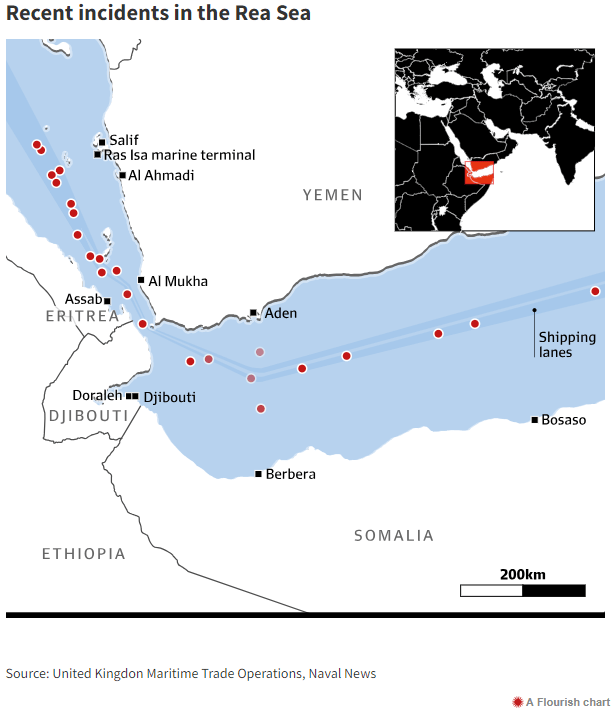
The narrative constructed by the developing world regarding their role in the Red Sea, cloaked in the rhetoric of stability and peacekeeping, is fundamentally rooted in economic self-interest. These endeavors, deeply ingrained in capitalist ideology, prioritise profit and market balance, often overshadowing the human aspect inherent in these regions. This approach, while fueling the economic powerhouses of the West, raises significant questions about the true value placed on human life amid the intricate matrix of regional conflicts and their wider economic implications.
Written by Waheed Abu Araiz
 CrossBorders.Press
Leave a comment