

Amidst the enduring historical animosities characterizing the region, Balochistan has once again become the focal point of insurgency against the Pakistani state, a conflict that has simmered since 1948. The Baloch, deeply entrenched in a narrative of historical injustice, perceive their struggle as a quest for liberation from oppression and the realization of self-determination. In contrast, Pakistani security forces regard many Baloch nationalist factions as terrorist entities and have resolutely quashed any dissent or calls for reform, exacerbating tensions and entrenching opposition sentiments among the Baloch populace.
November 23, 2023, marked a significant juncture in the ongoing Baloch quest for justice and accountability within the framework of the Pakistani state.
“We were there in the court when the police brought him,” Najma told Al Jazeera. “He looked at us quietly. He looked weak, as if he was beaten and threatened. We tried to talk to him, he would only nod and just acknowledge us, without speaking anything at all.”
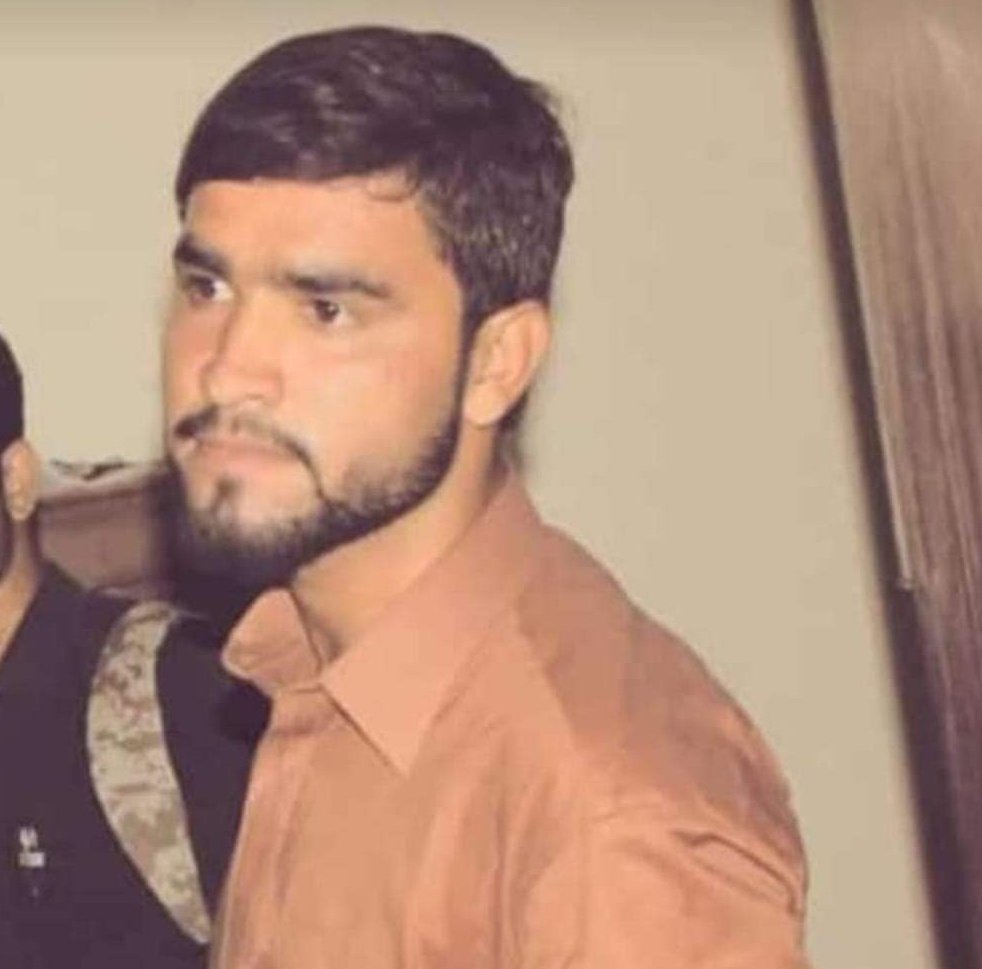
This catalyst moment was the alleged extrajudicial killing of Balaach Mola Bakhsh, alongside three others, in Turbat, Balochistan, mere weeks prior, igniting a groundswell of discontent that propelled protesters on a nearly 1600 km odyssey towards Islamabad. Spearheaded by Baloch women and their families under the rallying cry of ‘March against Baloch Genocide,’ the demonstration aimed to spotlight the pervasive issues of forced disappearances, extrajudicial executions, arbitrary detentions, and systemic torture plaguing Balochistan.
For the past two decades, Balochistan has been ensnared in a violent insurgency, resulting in a plethora of forced disappearances and grisly discoveries of bodies discarded along thoroughfares. Caught in the crossfire between radical Baloch nationalist factions accusing the state of resource exploitation and a military apparatus engaged in counterinsurgency operations, Baloch families languish in agonizing uncertainty regarding the fate of their missing kin. According to the Commission of Inquiry on Enforced Disappearances, established in 2011, nearly 9,000 cases have been registered across Pakistan as of January 2023. While approximately 5,000 cases have been resolved, with nearly 3,800 individuals returning home, over 2,000 cases remain unresolved. However, Baloch national organizations such as Voice for Baloch Missing Persons vehemently contest these figures, asserting that the actual number of disappearances exceeds 23,000, thus casting doubt on the veracity of the commission’s data.
In Pakistan, the democratic framework has engendered a system where state resources and political focus are often directed towards the influence wielded by various ethnic groups. These groups, leveraging their political clout, often shape the legislative agenda and secure concessions from the government, thereby enjoying a disproportionate share of power and resources. However, this system effectively safeguards the rights of citizens who can exert significant political pressure on the government, leaving marginalized groups feeling insecure and overlooked.
This phenomenon appears to have exacerbated ethnic divisions and factionalism within Pakistan’s political landscape. A closer examination of the dominant political parties offers insight into this dynamic.
- Pakistan Tehreek-e-Insaf (PTI): Enjoys significant support in the Punjab province and among middle-class Pakistanis, particularly those of Punjabi and Urdu-speaking Muhajir backgrounds.
- Pakistan Muslim League-Nawaz (PML-N): Mainly backed by Punjabi constituents.
- Pakistan Peoples Party (PPP): Traditionally aligned with the Sindhi population.
- Muttahida Qaumi Movement (MQM): Primarily represents the Urdu-speaking Muhajir community.
- Awami National Party (ANP): Garners widespread support from the Pashtun populace.
- Balochistan National Party (BNP) and Balochistan Awami Party (BAP): These parties advocate for the interests of the Baloch people in the Balochistan province.
Is Pakistan in need of a reformed political framework? A system that transcends ethnic biases and ensures equitable representation for all factions, irrespective of their political leverage. Within Pakistan’s democratic structure, there exists a tendency towards discrimination, fostering animosity among diverse groups and exacerbating societal divisions.
A new political system in Pakistan should prioritize the safeguarding of citizens’ rights, regardless of their ethnic affiliations. It should foster constructive dialogue and accommodate diverse perspectives to promote inclusivity and unity within the nation.
R.P.
 CrossBorders.Press
Leave a comment