
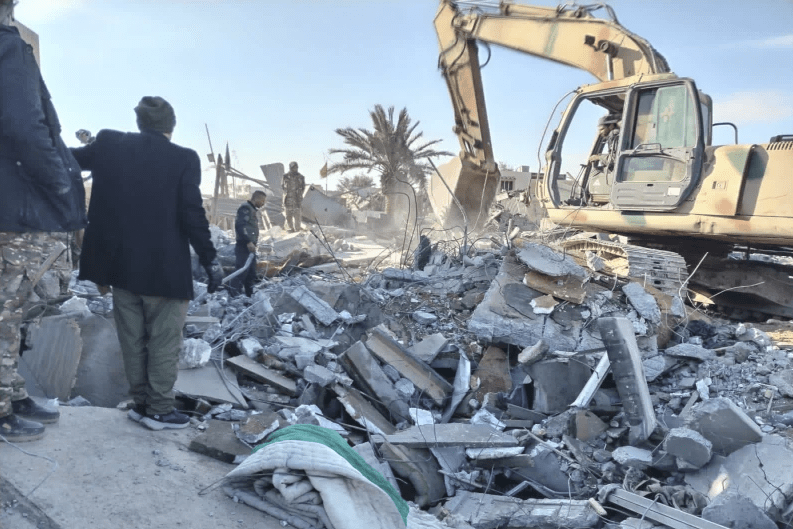
In a significant development early today, the Al-Omar oilfield in Eastern Syria, a well-known location housing United States troops, was struck by a drone attack. This incident resulted in several casualties among the Kurdish-led forces. According to the Syrian Observatory for Human Rights, a UK-based monitoring group, the strike claimed the lives of seven fighters and injured at least 18 others. The Syrian Democratic Forces (SDF) have confirmed a slightly lower death toll of six.
The attack comes amid heightened tensions in the region, following a series of US strikes on Iran-aligned militias in Iraq and Syria. This escalating conflict raises concerns over the potential for broader regional unrest. The SDF has condemned the drone strike as a terrorist act, specifically targeting a training facility within the oilfield. This latest incident is a part of the increasing hostilities and retaliatory actions between various military and militia groups in the area.
The strategic significance of the Al-Omar oilfield, a vital energy resource, adds complexity to the situation due to its value and potential international ramifications. This attack is seen as a potential response to US actions against Iran-aligned factions, contributing to a cycle of military engagements that threaten regional stability. The Middle East’s already fragile state is further complicated by other regional conflicts, including the ongoing Israeli-Gaza tensions.

Jake Sullivan, the White House National Security Advisor, has stated that the US strikes are strategic responses “We intend to take additional strikes and additional action to continue to send a clear message that the United States will respond when our forces are attacked, or people are killed,” Sullivan told NBC’s “Meet the Press” host Kristen Welker, indicating the US’s readiness for further action if necessary. In contrast, Iran and its allies have issued strong warnings to the US. The Iranian Foreign Ministry and Iran-backed Houthis in Yemen have declared their preparedness to respond to any direct military actions.
The international community is closely monitoring these developments, with concerns over the possibility of further military escalations. While there is hope for diplomatic solutions to ease tensions, the strategic interests, historical relationships, and complex alliances in the region could lead to either peaceful resolutions or further military conflicts.
In conclusion, the latest sequence of attacks and military reactions underscores the fragile and volatile state of affairs in the Middle East. This instability is further exacerbated by the presence of corrupt governance in the region. Over the years, the Middle East has increasingly become a platter for Western governments to secure their interests. It is a stark reminder of the region’s volatility, with the potential for escalation carrying significant international implications. The coming weeks and months are critical in shaping the region’s future, as the world watches with hopes for stability and peace.
W.R.
 CrossBorders.Press
Leave a comment