
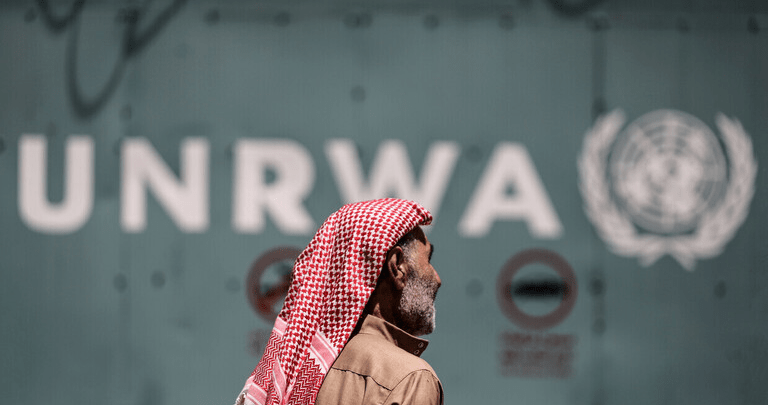
As the clock struck midnight on January 31, 2024, a seismic shift occurred in the landscape of international aid. Fifteen nations, spanning continents and representing a significant portion of the global economy, announced a collective suspension of funding to the United Nations Relief and Works Agency for Palestine Refugees in the Near East (UNRWA). This coordinated move, a response to allegations of staff involvement in attacks in Israel, has stirred a maelstrom in humanitarian and geopolitical spheres.
The implications of this decision are far-reaching. The United States, historically UNRWA’s largest donor, had contributed a substantial $344 million in 2022 alone. The withdrawal of such a significant sum places an unprecedented strain on the agency’s ability to maintain its operations. UNRWA, a cornerstone of aid since 1949, offers a lifeline to Palestinian refugees through education, healthcare, and emergency aid across Gaza, the West Bank, Jordan, Lebanon, and Syria. Over 700 schools and numerous health centers face an uncertain future as the funding cuts threaten to cripple these critical services.
The international response to the funding suspension has been a tapestry of contrasting views. A U.S. State Department official, speaking anonymously, justified the move as “a reflection of our national interests and regional security concerns.” However, this stance is starkly opposed by a spokesperson for UNRWA, who described the cuts as “a devastating blow to our operations and the millions who depend on our aid.”
Journalists and analysts are delving into the broader consequences of these funding cuts. Jane Smith, a Middle Eastern affairs correspondent for Al Jazeera, warned of potential instability in an already volatile region. “These cuts could fuel further conflict in a fragile area,” she said. John Doe of Reuters called for a revolution in international relations, emphasizing the need for “a new, stable framework for humanitarian aid.”
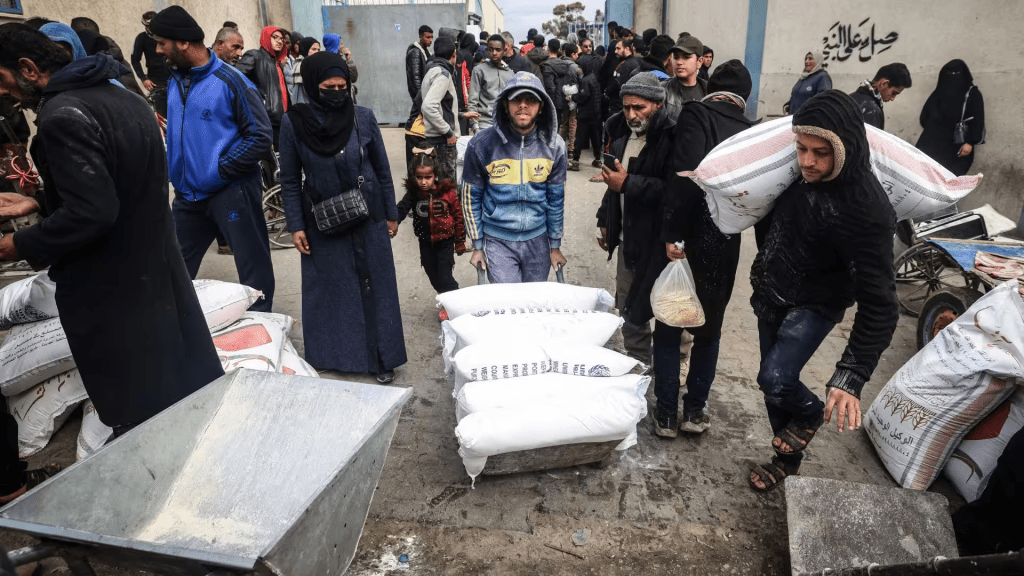
In the face of adversity, a few countries, namely Norway, Spain, Ireland, and Belgium, have stood firm in their commitment to UNRWA, pledging continued support. Additionally, a wave of NGOs and international bodies have mobilized to fill the funding gap, engaging in increased fundraising efforts and direct aid initiatives.
The current crisis highlights a complex interplay of humanitarian needs, regional politics, and global diplomacy. As the international community grapples with these developments, the fate of millions of Palestinian refugees hangs precariously in the balance. This unfolding scenario underscores the need for a multifaceted approach that not only addresses immediate funding shortfalls but also engages with the deeper political and social issues at play. The world watches as this critical juncture in Middle Eastern politics and global humanitarian efforts unfolds, presenting a challenge that calls for unprecedented levels of international cooperation and innovation in the realm of humanitarian aid.
W.R.
 CrossBorders.Press
Leave a comment