
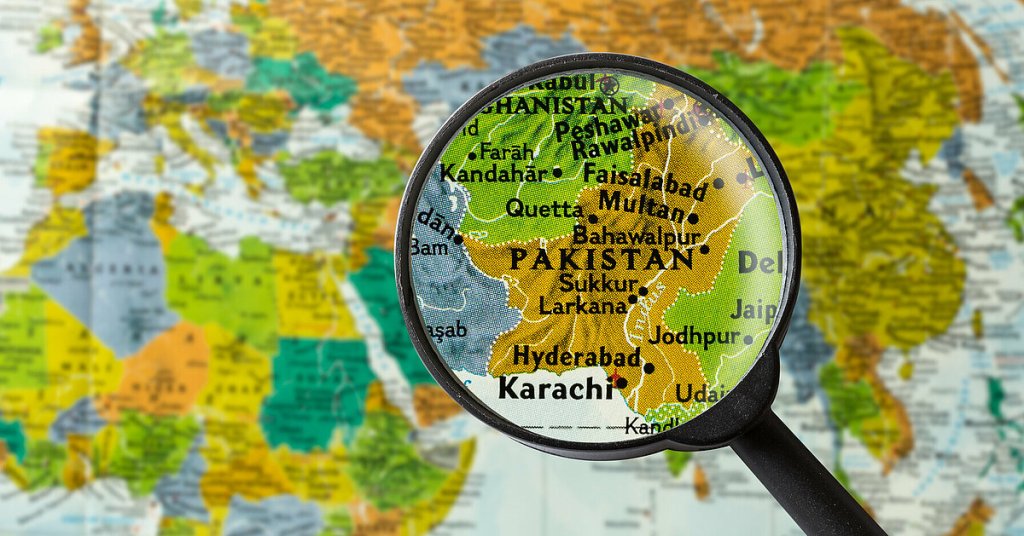
This exploration delves into Pakistan’s crucial position in the Islamic world, examining it from cultural, historical, religious, and geopolitical perspectives. While acknowledging its significant contributions, the analysis also highlights the myriad challenges Pakistan confronts, underscoring the urgency for transformative governance in light of the shortcomings of the existing man-made systems.
Pakistan is steeped in history, with many landmarks that tell the story of its cultural journey. This shift into a cultural beacon began with pivotal historical events, highlighting the need for a governance system that truly echoes these deep-rooted values. The rich tapestry of Pakistan’s culture and history points to a governance style that’s closely tied to its longstanding traditions.
Pakistan, with its significant Muslim community, has a society deeply influenced by Islamic traditions. This demographic fact suggests the need for a governance system that better reflects the Islamic character of its people. Aligning governance more closely with this identity could enhance national unity and a sense of shared identity.
In the political and geopolitical sphere, Pakistan has been a frontrunner in various cooperative efforts and organisations . Yet, its dealings with Western countries suggest a shift away from the priorities of nations with predominantly Muslim populations. This situation highlights the need for a revamped approach in governance and foreign policy, aiming for better alignment with the principles important to its majority.
Pakistan, with its nuclear capabilities, occupies a special strategic role in world affairs. This unique status demands a governance approach that effectively merges traditional principles with current defence strategies, aiming to maintain a strong and balanced presence in the global arena.
The British colonial period in Pakistan was a time of major change, especially for the local communities. The transition from Mughal to British rule altered the established power dynamics, underscoring the necessity for a governance system more in tune with the historical and cultural realities of Pakistan’s diverse population.
Pakistan’s military history, including its involvement in Kashmir and its part in international security, highlights the need for a governance model that upholds military prowess while also respecting foundational principles. This approach could boost Pakistan’s strategic potential while remaining faithful to its core values.
Geopolitically, Pakistan’s key position at a major intersection boosts its significance. To make the most of this, adopting a governance model that mirrors its regional characteristics and core values could be crucial. This strategy might place Pakistan more advantageously on the world stage, using its strategic location for increased influence and alignment with its fundamental principles.
Throughout its history, Pakistan has seen a noticeable change in its governance style. It started with an aim to establish a system reflecting traditional values, but recent events suggest a significant shift in leadership, affecting both the military and government sectors. Driven primarily by the elite, this shift seems to focus more on aligning with United States’ interests, raising concerns about possibly overlooking the everyday needs and aspirations of the Pakistani people.
Pakistan’s ties with the United States, characterised by a mix of teamwork and hurdles, highlight the intricacies of global alliances. This scenario emphasises the need for a governance strategy that empowers Pakistan to pursue foreign policy choices that are more self-reliant and reflective of its fundamental principles.
Pakistan has the potential to become a superpower. To achieve this, it must leverage its resources, change its current economic model, and establish an independent foreign policy, based on religious values. Achieving this status may hinge on adopting a governance system that aligns more closely with its Islamic principles and ethics, thereby facilitating a journey towards greater global influence and recognition.
W.R.
 CrossBorders.Press
Leave a comment